
- 联系我们
- duidaima.com 版权声明
- 闽ICP备2020021581号
-
 闽公网安备 35020302035485号
闽公网安备 35020302035485号

记录的日志可以分为两类:操作流转日志和系统日志,这两类日志面向的群体和定位也有一定的区别。其中系统日志主要面向研发层面,为研发定位问题提供依据和执行链路回溯,一般可读性要求比较低,检索也需要一定的技巧和条件。
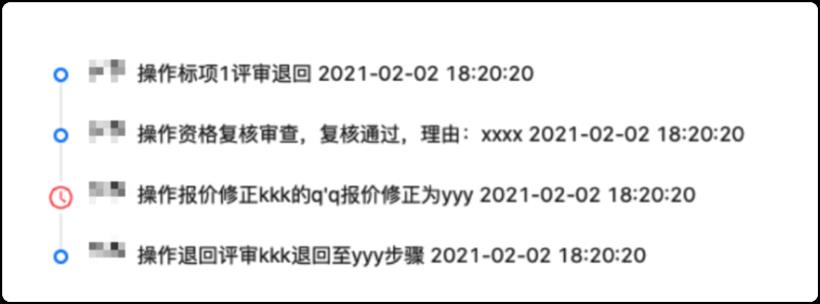
而操作日志主要面向用户和保障人员,具备较强的可读性,主要针对用户对某一场景做出操作后进行留痕,比如用户的审批流程,可以从操作日志列表直观看到,经过了哪些流程,哪些人员审批和审批的结果。

@LogRecord(
        success = "执行签到操作,修改 tag 为:#{#model.getTag()};ids 为:#{T(java.lang.String).join(',',#model.getIds())}",
        bizId = "#{#model.getBizId()}",
        childBizId = "#{#_resource.getChildBizId()}",
        context = "#{@demoService.getContext(#_resource.getContextIndex())}",
        identityType = "#{#model.getIdentity()}"
        )

@PostMapping("full")
public ResponseModel fullDemo(@RequestBody RequestModel model) {
     // 堆代码 duidaima.com
    // 执行业务逻辑...
    ResponseModel responseModel = new ResponseModel();
    responseModel.setCode("200");
    responseModel.setRequestModel(model);
    responseModel.setChildBizId("biz_001");
    responseModel.setContextIndex("stash");
    return responseModel;
}
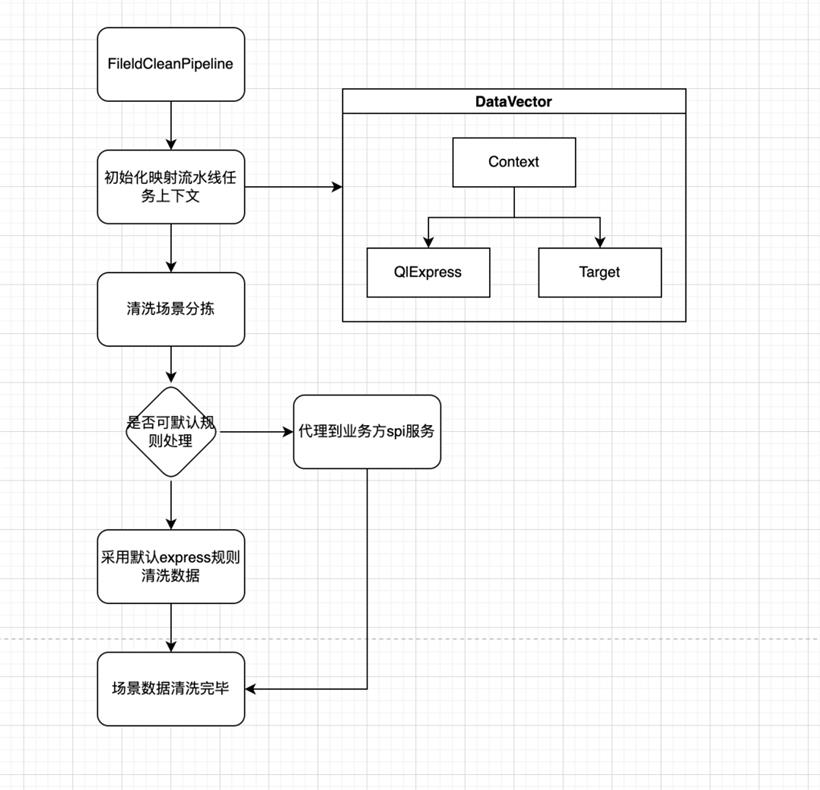
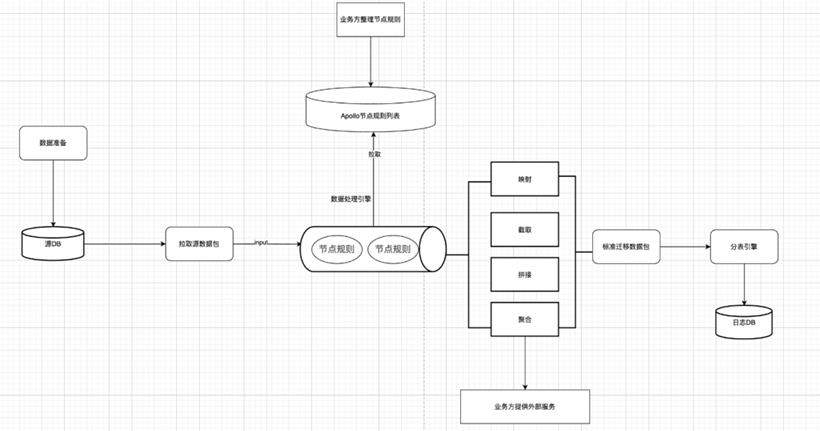
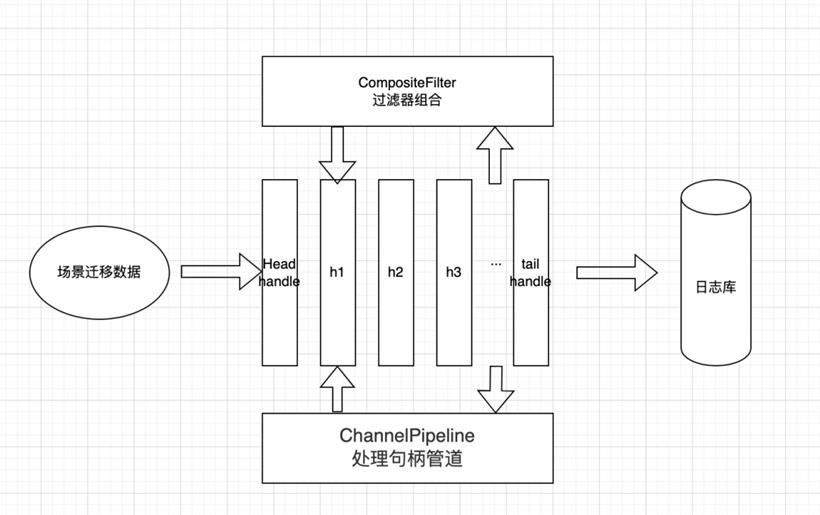
我们按照日志的场景 ID 为维度进行数据迁移,业务方自行梳理和归类场景,并提供场景的字段映射和处理表达式规则。单场景迁移清洗流程如下:
public class ChainContext<T, V> {
    /**
     * 存储信息<处理节点>
     * */
    AbstractHandler<T, V> handler;

    /**
     * 下一个节点
     * */
    ChainContext<T, V> next;

    /**
     * 遍历 pipeline 链表执行
     * */
    public void fireChainRun(DataVector<T, V> arg){
        handler.invoke(arg);
        ChainContext<T, V> next = this.next;
        if (null!=next){
            next.fireChainRun(arg);
        }
    }

    public AbstractHandler<T, V> getHandler(){
        return this.handler;
    }

    public ChainContext<T, V> getNext(){
        return this.next;
    }

    public void setHandler(AbstractHandler<T, V> handler){
        this.handler = handler;
    }

    public void insertNext(ChainContext<T, V> chain){
        ChainContext<T, V> oldNext = getNext().next;
        this.next = chain;
        if (null!=oldNext){
            chain.next = oldNext;
        }
    }

    public void setNext(ChainContext<T, V> chain){
        this.next = chain;
    }
}