
- 联系我们
- duidaima.com 版权声明
- 闽ICP备2020021581号
-
 闽公网安备 35020302035485号
闽公网安备 35020302035485号

在本博客中,我们介绍单链表这种数据结构,链表结构为基于数组的序列提供了另一种选择(例如Python列表)。
基于数组的序列也会有如下缺点:
1.一个动态数组的长度可能超过实际存储数组元素所需的长度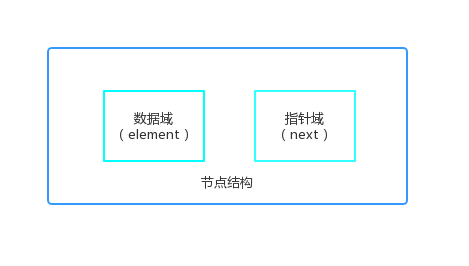
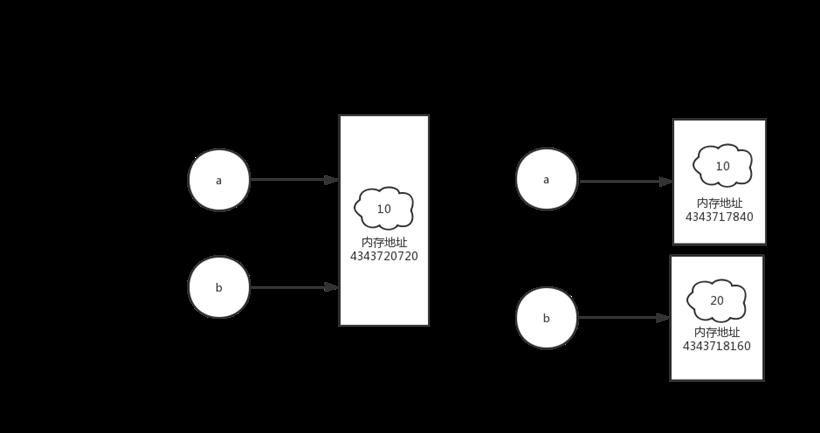
 >>> a = 100
 >>> b = 100
 >>> id(a)
 4343720720
 >>> id(b)
 4343720720
 >>>
 >>> a, b = 10, 20
 >>> id(a)
 4343717840
 >>> id(b)
 4343718160
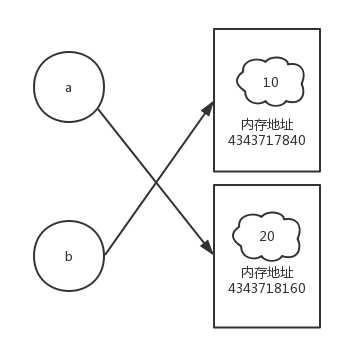
 >>> a, b = b, a
 >>> id(a)
 4343718160
 >>> id(b)
 4343717840
 >>>
当声明a = 100 和 b = 100的时候,能发现id(a) == id(b),为什么a和b的id值是一样的呢?我们来看一下这个图:
指针域成员:指向单链表的后继节点,如果没有后继节点,则为空。
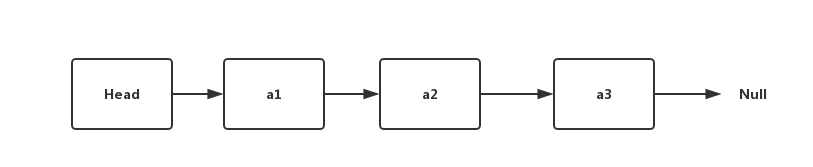
 class Node(object):
     """声明节点"""
     def __init__(self, element):
         self.element = element  # 给定一个元素
         self.next = None  # 初始设置下一节点为空
那么,什么是单链表 # -*- coding: utf-8 -*-
# @Author : yuzhou1su
# @File : singly_linked_list.py
# @Software : PyCharm
# 堆代码 duidaima.com
class Node(object):
"""声明节点"""
def __init__(self, element):
self.element = element # 给定一个元素
self.next = None # 初始设置下一节点为空
class Singly_linked_list:
"""Python实现单链表"""
def __init__(self):
self.__head = None # head设置为私有属性,禁止外部访问
def is_empty(self):
"""判断链表是否为空"""
return self.__head is None
def length(self):
"""返回链表长度"""
cur = self.__head # cur游标,用来移动遍历节点
count = 0 # count记录节点数量
while cur is not None:
count += 1
cur = cur.next
return count
def travel_list(self):
"""遍历整个链表,打印每个节点的数据"""
cur = self.__head
while cur is not None:
print(cur.element, end=" ")
cur = cur.next
print("\n")
def insert_head(self, element):
"""头插法:在单链表头部插入一个节点"""
newest = Node(element) # 创建一个新节点
if self.__head is not None: # 如果初始不为空,就将新节点的"next"指针指向head
newest.next = self.__head
self.__head = newest # 把新节点设置为head
def insert_tail(self, element):
"""尾插法:在单链表尾部增加一个节点"""
if self.__head is None:
self.insert_head(element) # 如果这是第一个节点,调用insert_head函数
else:
cur = self.__head
while cur.next is not None: # 遍历到最后一个节点
cur = cur.next
cur.next = Node(element) # 创建新节点并连接到最后
def insert(self, pos, element):
"""指定位置插入元素"""
# 如果位置在0或者之前,调用头插法
if pos < 0:
self.insert_head(element)
# 如果位置在原链表长度之后,调用尾插法
elif pos > self.length() - 1:
self.insert_tail(element)
else:
cur = self.__head
count = 0
while count < pos - 1:
count += 1
cur = cur.next
newest = Node(element)
newest.next = cur.next
cur.next = newest
def delete_head(self):
"""删除头结点"""
cur = self.__head
if self.__head is not None:
self.__head = self.__head.next
cur.next = None
return cur
def delete_tail(self):
"""删除尾节点"""
cur = self.__head
if self.__head is not None:
if self.__head.next is None: # 如果头结点是唯一的节点
self.__head = None
else:
while cur.next.next is not None:
cur = cur.next
cur.next, cur = (None, cur.next)
return cur
def remove(self, element):
"""删除指定元素"""
cur, prev = self.__head, None
while cur is not None:
if cur.element == element:
if cur == self.__head: # 如果该节点是头结点
self.__head = cur.next
else:
prev.next = cur.next
break
else:
prev, cur = cur, cur.next
return cur.element
def modify(self, pos, element):
"""修改指定位置的元素"""
cur = self.__head
if pos < 0 or pos > self.length():
return False
for i in range(pos - 1):
cur = cur.next
cur.element = element
return cur
def search(self, element):
"""查找节点是否存在"""
cur = self.__head
while cur:
if cur.element == element:
return True
else:
cur = cur.next
return False
def reverse_list(self):
"""反转整个链表"""
cur, prev = self.__head, None
while cur:
cur.next, prev, cur = prev, cur, cur.next
self.__head = prev
def main():
List1 = Singly_linked_list()
print("链表是否为空", List1.is_empty())
List1.insert_head(1)
List1.insert_head(2)
List1.insert_tail(3)
List1.insert_tail(4)
List1.insert_tail(5)
length_of_list1 = List1.length()
print("插入节点后,List1 的长度为:", length_of_list1)
print("遍历并打印整个链表: ")
List1.travel_list()
print("反转整个链表: ")
List1.reverse_list()
List1.travel_list()
print("删除头节点: ")
List1.delete_head()
List1.travel_list()
print("删除尾节点: ")
List1.delete_tail()
List1.travel_list()
print("在第二个位置插入5: ")
List1.insert(1, 5)
List1.travel_list()
print("在第-1个位置插入100:")
List1.insert(-1, 100)
List1.travel_list()
print("在第100个位置插入2:")
List1.insert(100, 2)
List1.travel_list()
print("删除元素5:")
print(List1.remove(5))
List1.travel_list()
print("修改第5个位置的元素为7: ")
List1.modify(5, 7)
List1.travel_list()
print("查找元素1:")
print(List1.search(1))
if __name__ == "__main__":
main()
输出的测试结果链表是否为空 True 插入节点后,List1 的长度为: 5 遍历并打印整个链表: 2 1 3 4 5 反转整个链表: 5 4 3 1 2 删除头节点: 4 3 1 2 删除尾节点: 4 3 1 在第二个位置插入5: 4 5 3 1 在第-1个位置插入100: 100 4 5 3 1 在第100个位置插入2: 100 4 5 3 1 2 删除元素5: 5 100 4 3 1 2 修改第5个位置的元素为7: 100 4 3 1 7 查找元素1: True总结